
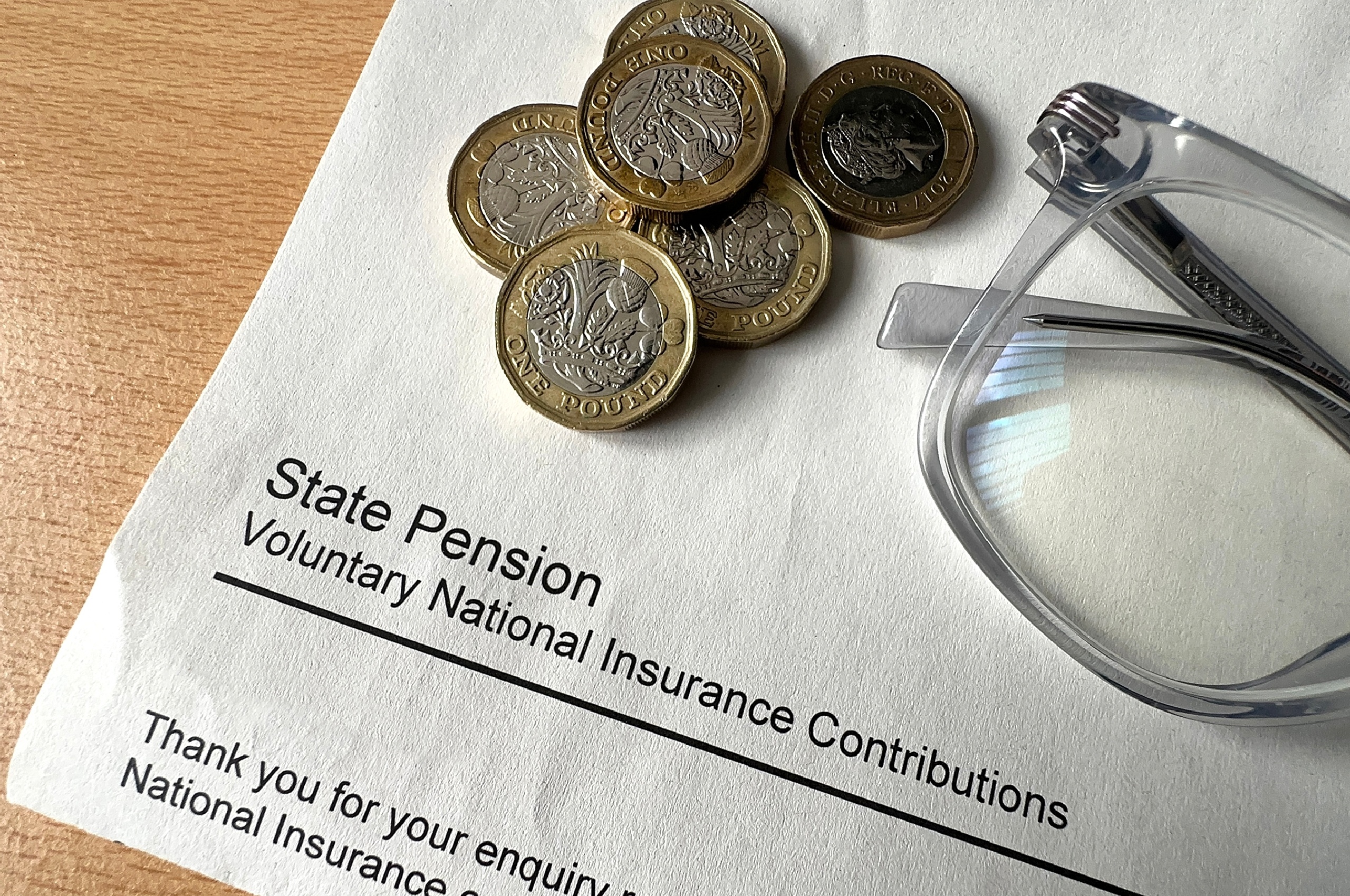
If you’re living abroad, you might make National Insurance contributions (NICs) to HMRC in order to qualify for the UK State Pension.
Historically, this has been a relatively simple and accessible way to help boost your retirement income.
However, in last year’s Autumn Budget, Rachel Reeves announced changes to voluntary NICs for people living overseas.
Read on to find out what these changes entail and how they could affect you.
To receive the UK State Pension, you need to have enough “qualifying years”
In order to be eligible for the UK State Pension, you need to have made a certain number of contributions, known as “qualifying years”:
- 10 qualifying years means you will receive the minimum State Pension, which is around £65 a week in 2025/26
- 35 qualifying years means you will receive the full State Pension, which is £230.25 a week
- Any number of qualifying years in between will be eligible for an amount between the minimum and the full State Pension.
Qualifying years are determined by your National Insurance (NI) record, and come from either:
- UK income above the NIC thresholds, which vary depending on your earnings and employment status
- NI credits
- Voluntary NICs.
If you live and work abroad but still want to receive the UK State Pension, voluntary NICs can help fill any gaps in your record.
You can read more about accessing your pension while living abroad in our previous article on the topic.
You can currently make either Class 2 or Class 3 contributions while living abroad
Under the current rules, you can pay voluntary Class 2 or Class 3 NICs while living abroad, depending on your situation.
Class 2 NICscost around £180 a year. You can typically make them while overseas, provided you:
- Are employed or self-employed
- Previously lived in the UK for at least three years in a row or have made three qualifying years of NICs
- Were working in the UK before leaving.
If you don’t meet these requirements, you can make Class 3 NICs. These cost around £920 a year and are available for people living abroad, provided you have either:
- Lived in the UK for at least three consecutive years
- Paid three years of contributions before leaving.
However, the rules regarding NICs for people living abroad are set to change from April this year.
The rules around making National Insurance contributions when abroad change from April 2026
The 2025/26 tax year is the final year in which those living and working abroad will be able to make voluntary Class 2 NICs.
If you want to continue making voluntary contributions in 2026/27 and beyond, you’ll need to make Class 3 NICs instead.
Moreover, the eligibility for Class 3 NICs will also be stricter. You need to have either:
- Lived in the UK for 10 consecutive years
- Paid at least 10 years of NICs while in the UK.
To help ensure a smooth transition to the new rules and that no one is caught between the two rules, HMRC also confirmed that:
- You don’t need to reapply if you already pay Class 3 contributions from abroad
- The new changes will not affect the qualifying years you’ve built up by April 2026.
Despite these allowances, the rule changes represent a significant shift, and it’s important to accommodate them in your financial plan.
How you choose to proceed could make a considerable difference to your retirement
If you make or were planning to make Class 2 NICs while living abroad, you will need to adjust your plan to ensure you’re still on track to receive the UK State Pension.
While the State Pension isn’t usually large enough to live off, it can provide a foundation for your retirement income. However, the Class 3 rate is almost five times as expensive. So, it’s a good idea to work with a financial planner to determine what steps would be most appropriate for you moving forward.
If you currently make Class 2 NICs, you need to:
- Decide if you’re going to continue making contributions at the higher rate
- Check whether you qualify to make contributions under the new rules
- Apply to make Class 3 contributions from tax year 2026/27.
If you’re unable to make Class 3 contributions, it’s important to factor that into your pension planning, as it could impact your retirement income.
A financial planner can help you build the upcoming changes into your retirement plan
A financial planner with international expertise can help you understand how the upcoming changes might affect your long-term retirement plan.
They can help you model different scenarios, such as qualifying for the full State Pension, receiving only a partial entitlement, or relying more heavily on private pensions and other savings, to help you understand the long-term impact of your decisions.
After assessment, you may find that maintaining contributions could provide valuable income later in life, or that directing funds towards alternative savings or investments may be more appropriate.
So, with rule changes set to come into effect in just a few weeks, now is the time to start planning for them.
To speak to a financial planner, get in touch.
Email contact@ambient-wm.com or call us on +34 658 077 450.
Please note
This article is for general information only and does not constitute advice. The information is aimed at individuals only.
All information is correct at the time of writing and is subject to change in the future.